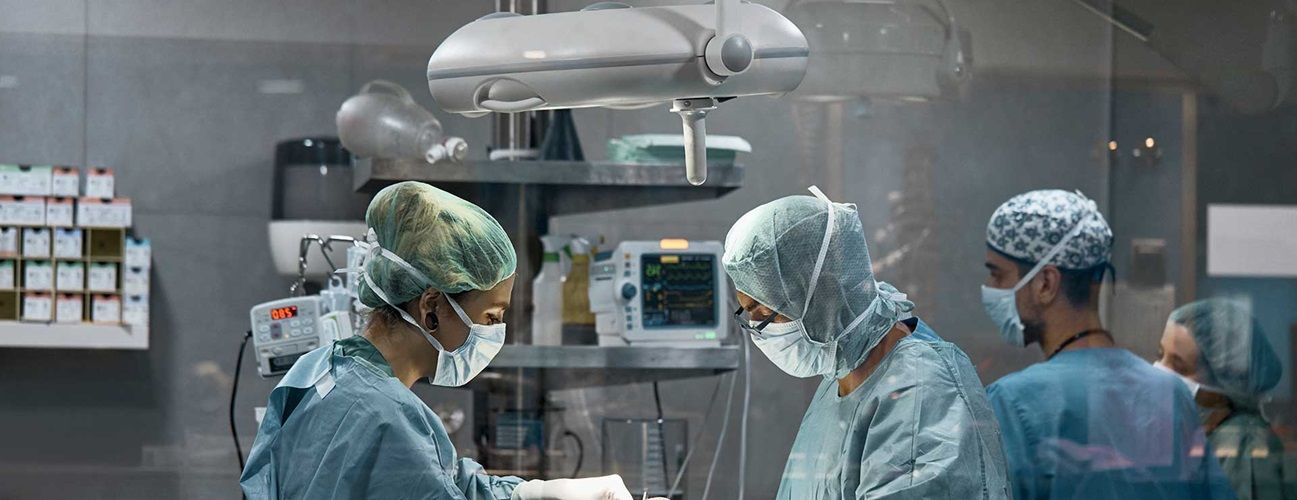

What are the different methods of surgery?
With technical advances today, surgery does not necessarily mean large incisions and longer healing times, as in the past. Depending on the type of surgery, there are several surgery methods that may be done:
Open surgery
An "open" surgery means the cutting of skin and tissues so that the surgeon has a full view of the structures or organs involved.
Minimally invasive surgery
Minimally invasive surgery is any technique involved in surgery that does not need a large incision. This relatively new approach allows the patient to recuperate faster with less pain. Not all conditions are suitable for minimally invasive surgery. Many surgery techniques now fall under minimally invasive surgery. This can be used to evaluate illnesses and injuries, as well as to obtain tissue samples and make repairs:
- Laparoscopy. A minimally invasive procedure in the belly cavity that uses a tube with a light and a camera lens at the end (laparoscope) to examine organs and check for abnormalities. Laparoscopy is often used during surgery to look inside the body and avoid making large incisions. Tissue samples may also be taken for exam and testing.
- Endoscopy. A test that uses a small, flexible tube with a light and a camera lens at the end (endoscope) to examine the inside of the hollow organs of the digestive tract. Tissue samples from inside the digestive tract may also be taken for exam and testing. Endoscopy may include gastroscopy, esophagoscopy, sigmoidoscopy, or colonoscopy.
- Arthroscopy. Surgeons can look at the interior of a joint with the use of an arthroscope. This technique is most often used to inspect and possibly repair the inside of the knee, shoulder, or hip joint.
- Bronchoscopy. The exam of the bronchi (the main airways of the lungs) using a flexible tube (bronchoscope). Bronchoscopy helps to evaluate and diagnose lung problems, assess blockages, obtain samples of tissue and/or fluid, and/or to help remove a foreign body.
- Thoracoscopy. Minimally invasive surgery in the chest cavity.
- Cystoscopy. Inserting a viewing tube up the urethra to examine the urethra and bladder cavity.
- Gastroscopy. Evaluation of the stomach with an endoscope, a long viewing tube.
- Hysteroscopy. A visual inspection of the cervical canal and uterine cavity with an endoscope.
- Laryngoscopy. Inspecting the larynx (voice box) with a mirror or viewing tube.
- Sigmoidoscopy. Exam of the rectum and sigmoid colon with a viewing tube.
- Colonoscopy. Evaluation of the entire colon using an endoscope.